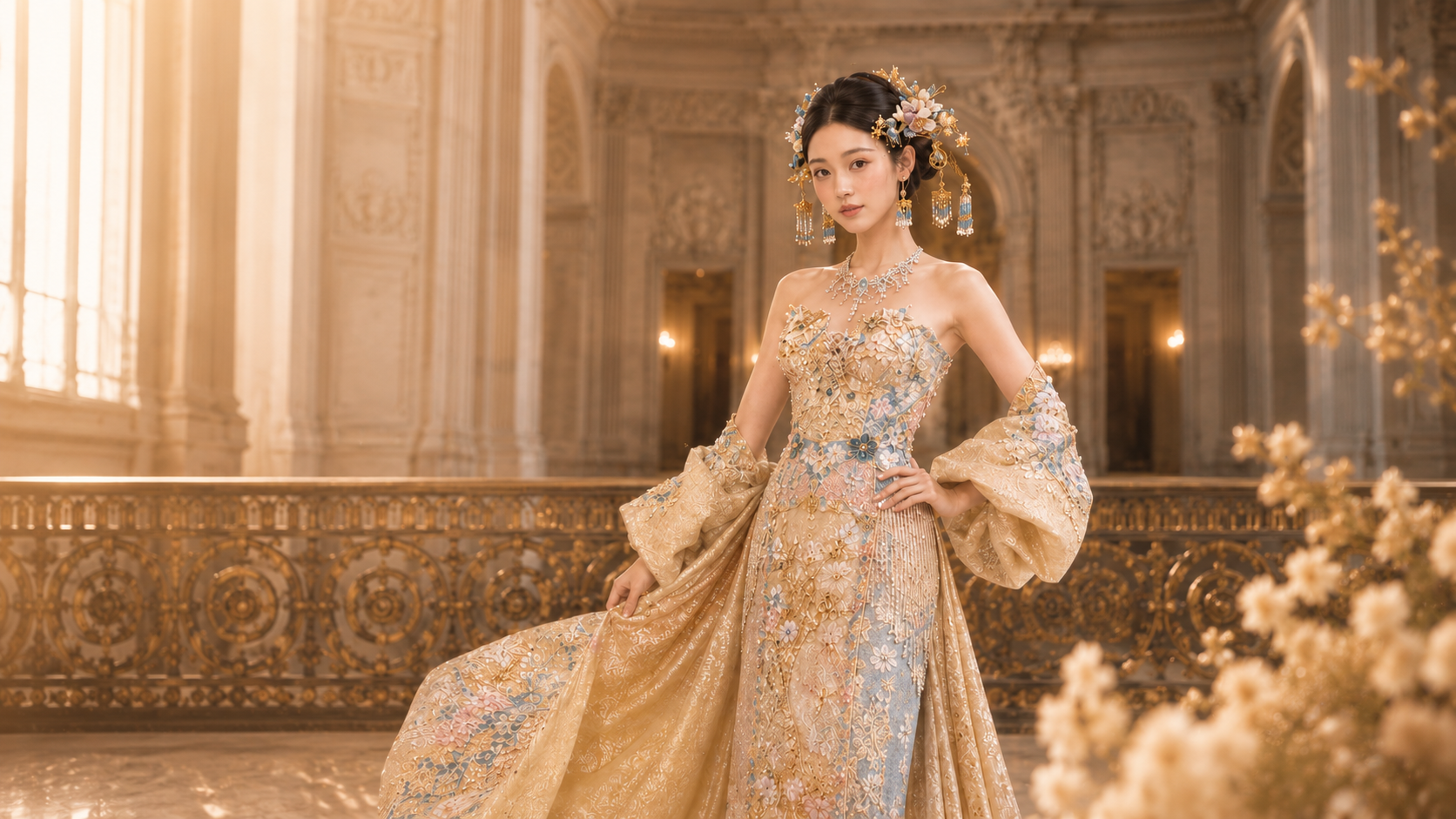
Chinese Wedding Traditions Made Simple
Planning a Chinese wedding doesn't have to be overwhelming. Whether you're including a tea ceremony, wearing a kua, or balancing family expectations, this guide will walk you through the traditions many Bay Area Chinese couples choose to celebrate.
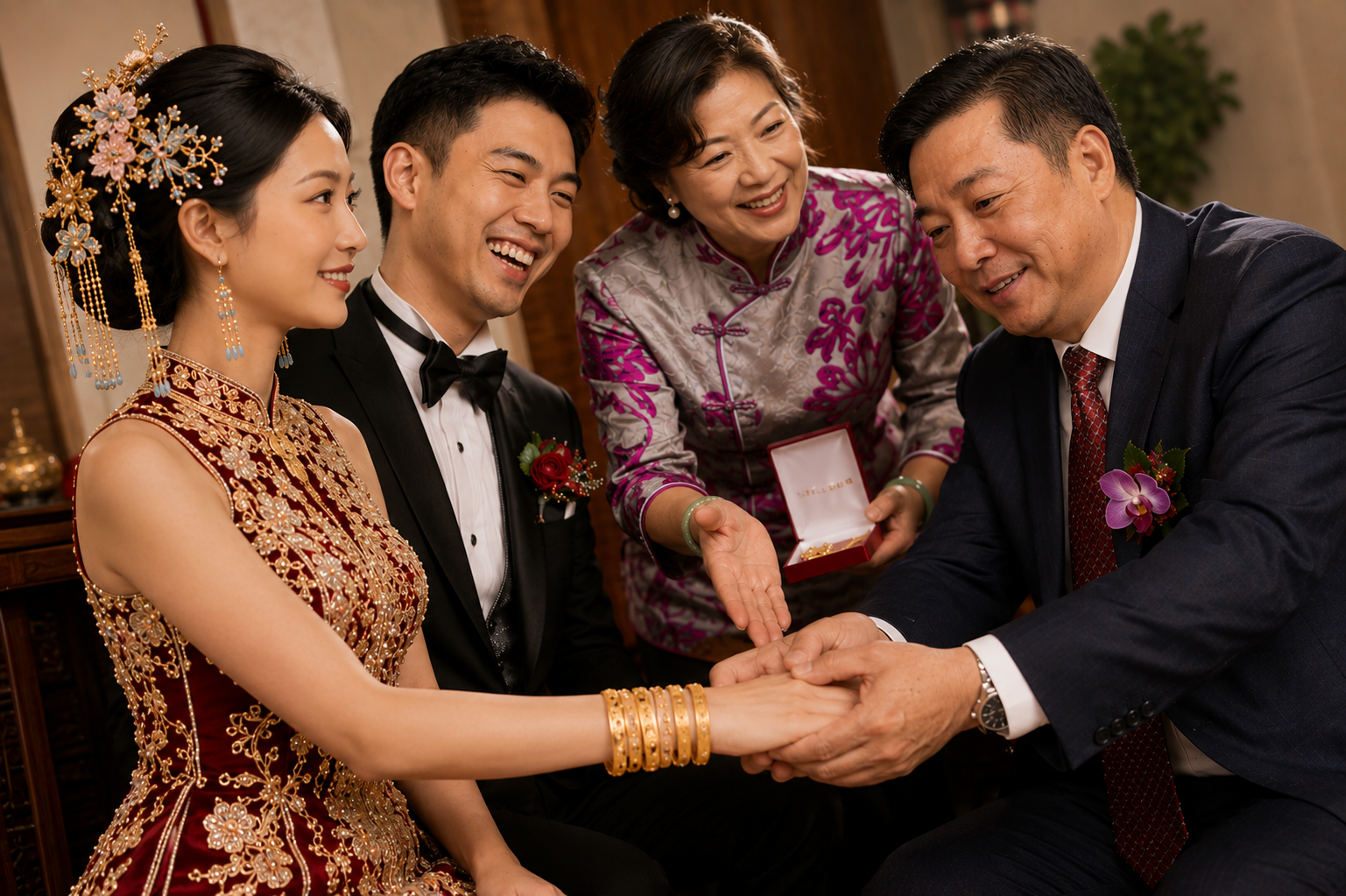
"I'm Chinese... but I don't actually know how Chinese weddings work."
Many American-born Chinese brides grew up celebrating traditions without fully understanding them. Suddenly, wedding planning becomes a crash course in tea ceremonies, kua fittings, red packets, and family expectations.
The good news?
You don't have to figure it all out alone. Sarah has guided countless brides through both modern Bay Area weddings and meaningful Chinese traditions—with calm, practical advice every step of the way.
Chinese Wedding Timeline
-
Choosing an auspicious date
Guo Da Li (Betrothal Gifts)
Hair Combing Ceremony
Small explanation:
Optional traditions that honor family and prepare for marriage.
-
Description text goes hereFetching the Bride
Door Games
Tea Ceremony
Explanation:
Often the most emotional part of the day.
-
Western Ceremony
Banquet
Yam Seng Toasting
-
Returning Home (回門)
Qipao VS Kua
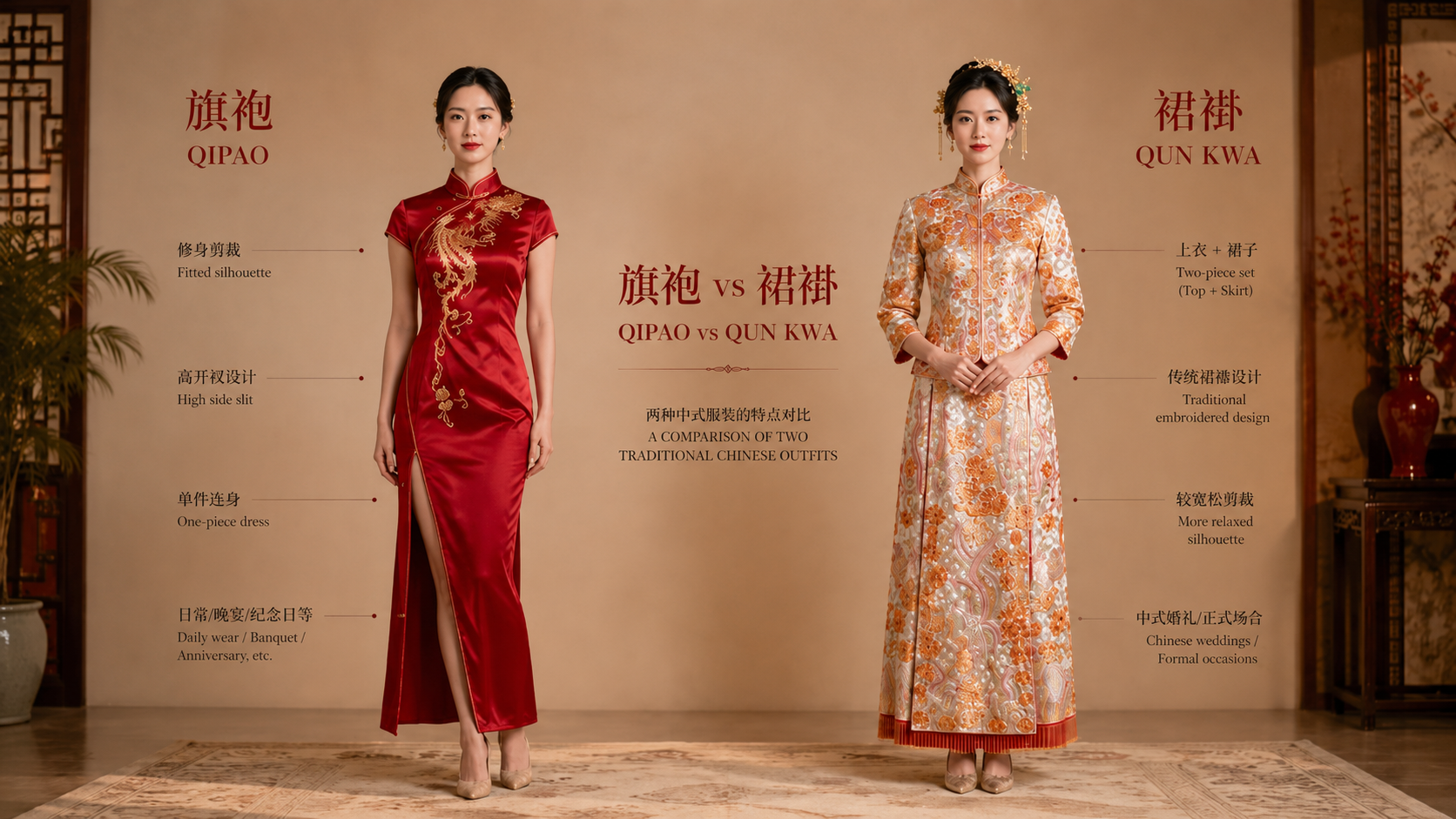
Qipao (旗袍)
Elegant one-piece dress often worn for receptions and portraits.
Qun Kwa (裙褂)
Traditional Cantonese bridal attire often worn during tea ceremonies.
Meet Sarah
Sarah is a Bay Area Chinese bridal makeup artist and former Hong Kong celebrity makeup artist with over 15 years of experience helping brides look elegant, natural, and camera-ready.
She understands both the beauty side of wedding mornings and the cultural traditions many modern Chinese brides want to honor.